A) 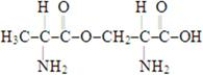
B) 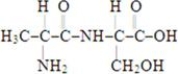
C) 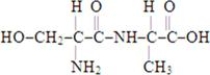
D) 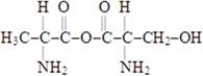
F) All of the above
Correct Answer

verified
Correct Answer
verified
A) C - O
B) C - H
C) C - N
D) N - S
E) S - C
G) B) and D)
Correct Answer
verified
Correct Answer
verified
A) A group of molecules that contain both a carboxylic acid and amine functional group.
B) A relatively small, water-soluble molecule that contains either a ketone or an aldehyde functional group.
C) A group of small organic molecules that are insoluble in water.
D) And ester of phosphoric acid where one or more of the ionizable hydrogen atoms has been replaced by an R group.
E) A tri-ester of glycerol where each of the hydroxyl-group hydrogen atoms in glycerol has been replaced by the alkyl group of a relatively long hydrocarbon chain carboxylic acid.
G) A) and E)
Correct Answer
verified
E
Correct Answer
verified
A) 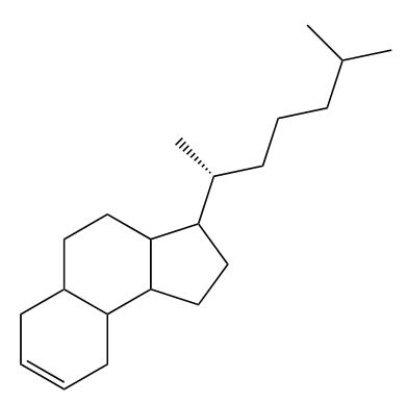
B) 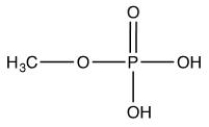
C) 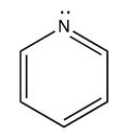
D) 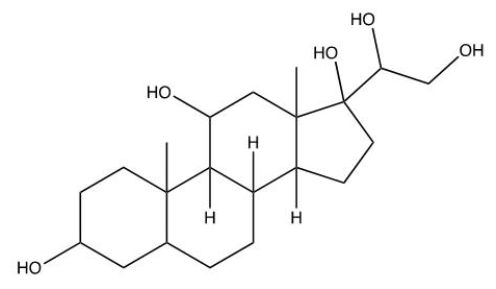
E) 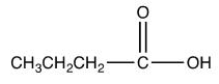
G) B) and C)
Correct Answer
verified
Correct Answer
verified
A) The shape the protein chain adopts as the result of hydrogen bonding.
B) The sequence of amino acids that make up a protein chain.
C) The folding of a protein into a characteristic shape.
D) The shape formed by two or more folded protein chains coming together.
E) None of the above.
G) None of the above
Correct Answer
verified
Correct Answer
verified
A) A group of molecules that contain both a carboxylic acid and amine functional group.
B) A relatively small, water-soluble molecule that contains either a ketone or an aldehyde functional group.
C) A group of small organic molecules that are insoluble in water.
D) And ester of phosphoric acid where one or more of the ionizable hydrogen atoms has been replaced by an R group.
E) A molecule that contains C, H, and N and exhibits Brønsted base behavior
G) B) and D)
Correct Answer
verified
C
Correct Answer
verified
A) A molecules composed of three small sugar molecules.
B) A relatively small, water-soluble molecule that contains either a ketone or an aldehyde functional group.
C) A large biological polymer composed of amino acids.
D) And ester of phosphoric acid where one or more of the ionizable hydrogen atoms has been replaced by an R group.
E) A tri-ester of glycerol where each of the hydroxyl-group hydrogen atoms in glycerol has been replaced by the alkyl group of a relatively long hydrocarbon chain carboxylic acid.
G) C) and E)
Correct Answer
verified
Correct Answer
verified
A) A group of molecules that have a special grouping of 5- and 6-member rings in common.
B) A relatively small, water-soluble molecule that contains either a ketone or an aldehyde functional group.
C) A large biological polymer composed of amino acids.
D) And ester of phosphoric acid where one or more of the ionizable hydrogen atoms has been replaced by an R group.
E) A group of molecules that make up a lipid bilayer.
G) C) and E)
Correct Answer
verified
Correct Answer
verified
A) C6H12O6
B) C5H10O5
C) C10H18O9
D) C6H14O6
E) C12H22O11
G) C) and E)
Correct Answer
verified
Correct Answer
verified
A) The shape the protein chain adopts as the result of hydrogen bonding.
B) The sequence of amino acids that make up a protein chain.
C) The folding of a protein into a characteristic shape.
D) The shape formed by two or more folded protein chains coming together.
E) None of the above.
G) None of the above
Correct Answer
verified
Correct Answer
verified
A) A molecules composed of three small sugar molecules.
B) A relatively small, water-soluble molecule that contains either a ketone or an aldehyde functional group.
C) A group of small organic molecules that are insoluble in water.
D) And ester of phosphoric acid where one or more of the ionizable hydrogen atoms has been replaced by an R group.
E) A tri-ester of glycerol where each of the hydroxyl-group hydrogen atoms in glycerol has been replaced by the alkyl group of a relatively long hydrocarbon chain carboxylic acid.
G) None of the above
Correct Answer
verified
Correct Answer
verified
A) Amino acids
B) Proteins
C) Polyethylene
D) Nylon
E) DNA
G) A) and C)
Correct Answer
verified
Correct Answer
verified
A) A molecules composed of three small sugar molecules.
B) A diglyceride with an organic phosphate group in place of one of the fatty acids.
C) A relatively small, water-soluble molecule that contains either a ketone or an aldehyde functional group.
D) And ester of phosphoric acid where one or more of the ionizable hydrogen atoms has been replaced by an R group.
E) A tri-ester of glycerol where each of the hydroxyl-group hydrogen atoms in glycerol has been replaced by the alkyl group of a relatively long hydrocarbon chain carboxylic acid.
G) A) and C)
Correct Answer
verified
Correct Answer
verified
A) 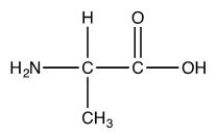
B) 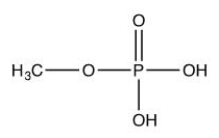
C) 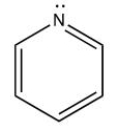
D) 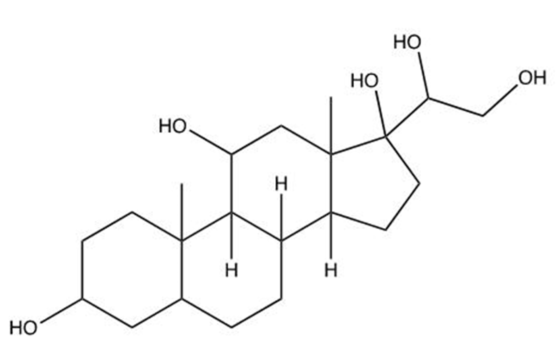
E) 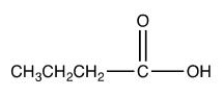
G) All of the above
Correct Answer
verified
Correct Answer
verified
A) condensation
B) peptide linkage
C) secondary structure
D) hydrolysis
E) transport
G) C) and E)
Correct Answer
verified
Correct Answer
verified
A) hormones, such as oxytocin
B) structural substances, such as keratin
C) antibodies, such as immunoglobulin
D) transport facilitators, such as hemoglobin
E) saturated triglycerides, such as triolein
G) B) and C)
Correct Answer
verified
Correct Answer
verified
A) S
B) P
C) C
D) O
E) N
G) A) and B)
Correct Answer
verified
B
Correct Answer
verified
A) one amino group and one amide group.
B) two amino groups and one carboxylic acid group.
C) one hydroxyl group and one methyl group.
D) one carboxylic acid group and one amino group.
E) one methyl group and one amide group.
G) A) and E)
Correct Answer
verified
Correct Answer
verified
A) 
B) 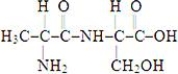
C) 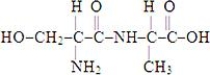
D) 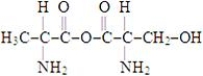
F) B) and C)
Correct Answer
verified
Correct Answer
verified
A) phosphate units only.
B) phosphate and sugar units.
C) polyester.
D) phosphate, sugar, and nitrogen base units.
E) sugar units only.
G) All of the above
Correct Answer
verified
Correct Answer
verified
Showing 1 - 20 of 20
Related Exams